From IVF to HRT — A Journey Through Motherhood and Perimenopause with Ashley Spivey & Dr. Alicia Robbins
8 min read
At 41, Ashley Spivey was waking in the night drenched in sweat, struggling to find words and losing the patience she had always counted on. She was raising a toddler, had been through infertility and pregnancy loss, and thought she was too young for perimenopause. Her mother had reached menopause in her early 50s. Why would this be happening now?
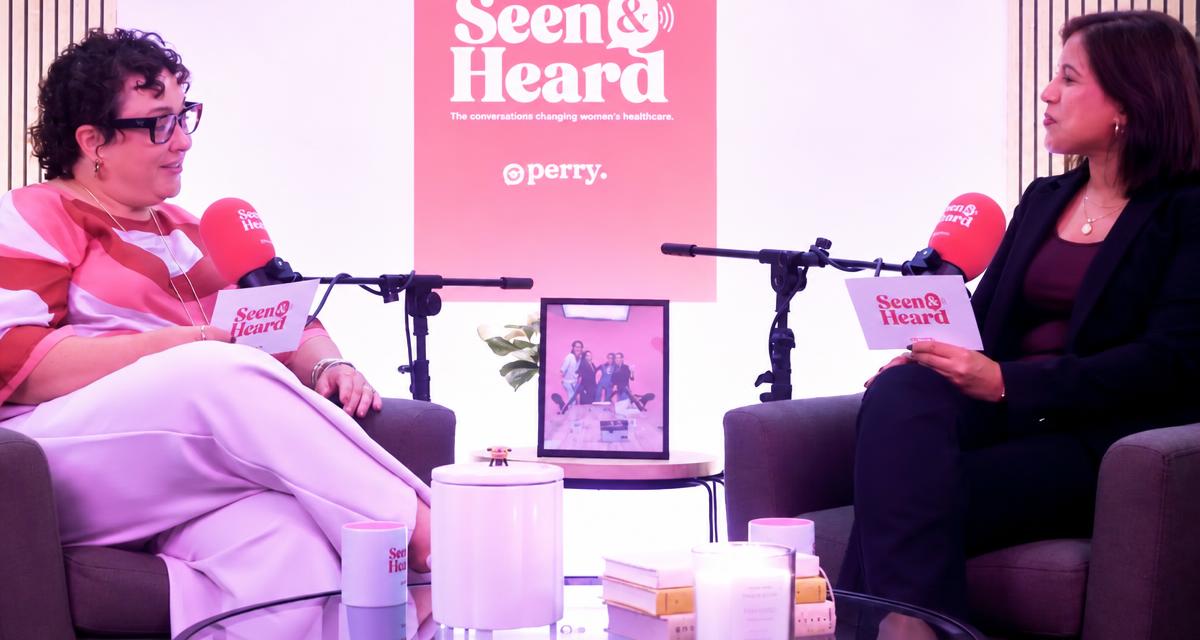
On Seen & Heard, a series from Perry's Perimenopause WTF? podcast, Ashley sits down with her own doctor, Dr. Alicia Robbins, a board-certified OB/GYN, lifestyle medicine physician and perimenopause specialist. Their conversation explores what happens when early motherhood, fertility decisions and perimenopause overlap—and why women need care that looks beyond their periods.
For Ashley, getting help was not about a perfect treatment or a promise that everything would change overnight. It was about sleeping again, understanding what was happening and having someone listen.
WatchI'm 41 and didn't see perimenopause comingThe trailer for Ashley's conversation with Dr. Alicia Robbins on Seen & Heard. Tap "Watch with sound" to hear it.
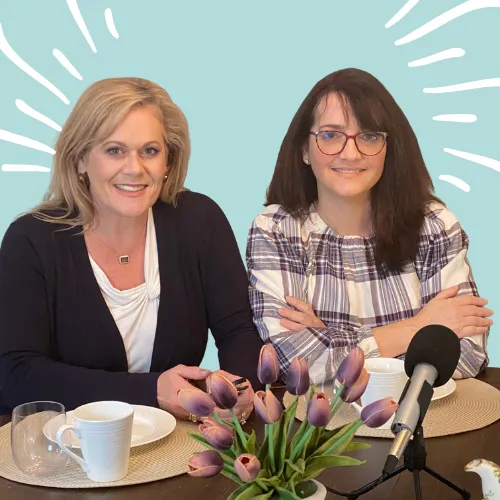
Ashley Spivey in conversation with her OB/GYN, Dr. Alicia Robbins, on Seen & Heard.
“I thought that was way too early for me”
Ashley has shared much of her life online, including trying to conceive, infertility and having a stillbirth. But she says she had never received quite the response she got when she began talking about perimenopause.
“I feel like my body really hasn't been mine for a long time.” — Ashley Spivey
Her symptoms were hard to ignore. She woke twice a night sweating so much that she needed to change her pajamas. The brain fog frightened her: she could not think of words and worried about early-onset dementia. She felt intensely impatient, a change that stood out because she had worked as a nanny and considered patience one of her strengths.
When she asked her doctor about perimenopause, she was prescribed a low-dose estrogen birth control pill. Ashley says it did not help. After she posted about the night sweats online, people suggested asking about hormone replacement therapy, or HRT. She thought she already had.
Dr. Robbins identifies two misunderstandings in that experience: perimenopause is not limited to women near 50, and a birth control pill is not the same treatment as menopausal hormone therapy.
When postpartum and perimenopause overlap
One of Ashley's biggest frustrations is how easily her symptoms could be explained away by motherhood. Having a child later in life made it difficult to separate postpartum changes, disrupted sleep and possible perimenopause symptoms.
“You're being dismissed in two separate ways.” — Ashley Spivey
Dr. Robbins says some women can be postpartum and perimenopausal at the same time. In the conversation, she describes how both stages can involve low estrogen and overlapping experiences with sleep, mood and concentration. That overlap makes listening to the person's history especially important.
Ashley remembers a period when her dog had died and her daughter was not sleeping through the night. She had brain fog, less patience and anxiety she had never experienced before. Her doctor prescribed Wellbutrin. Ashley is clear that she is not against antidepressants: her anxiety improved. But she still could not sleep, and she wonders whether perimenopause should have been considered alongside everything else.
That is a question about the whole picture, not a reason to dismiss mental health care. Ashley's account shows why an explanation such as grief, stress or postpartum changes may not answer every part of what a woman is experiencing.
Birth control and HRT: why Ashley was confused
Dr. Robbins explains that birth control pills are designed primarily to prevent pregnancy and can also regulate bleeding. She is not against them: contraception still matters during perimenopause, and some women find pills helpful. In her practice, asking whether a woman needs contraception is part of the treatment conversation.
But she distinguishes birth control from the hormone therapy she uses in menopause and perimenopause. Ashley's experience was that the pill she was given did not relieve her symptoms. That does not tell us what will work for someone else; it does show why patients need a clear explanation of what a prescription is intended to do.
For Ashley, hearing that distinction helped make sense of the gap between asking for help and still waking up soaked in sweat.
These are different treatment approaches, and this article is not a guide to choosing or changing medication. Discuss symptom relief, contraception and pregnancy plans with your own clinician.
Why a “normal” blood test can leave women confused
Ashley hears from women who recognize her symptoms but have been told their tests do not show perimenopause. She asks Dr. Robbins what they can do when the result on paper does not match how they feel.
Dr. Robbins describes a blood test as a snapshot in time. Hormone levels fluctuate, and a result within a laboratory's normal range may not explain the changes someone is noticing. Her emphasis is on listening to symptoms, history and patterns rather than expecting one test to settle the question.
She suggests tracking symptoms and the menstrual cycle over a few months to bring useful information to an appointment. In her description of early perimenopause, some women first notice symptoms around the week before a period; later, those symptoms may extend into more of the month.
Looking back, Ashley wonders whether the flu-like feeling she used to get before her period was part of her earlier experience. She remembers prickly skin and feeling as though she was about to become ill. It is her retrospective question, not a confirmed diagnosis of when her perimenopause began.
Still deciding whether to have another child
Ashley has not decided whether she is done having children. Starting HRT brought relief, but it also raised an emotional question: what would happen if she wanted to try again?
When she mentioned starting progesterone online, some people assumed she was preparing for an embryo transfer. Given her fertility history, those messages hurt. She was trying to work out how to feel well now while leaving space for a possible future pregnancy.
Dr. Robbins talks about coordinating symptom treatment with fertility care and explicitly defers to the fertility specialist on the transition between treatments. The conversation does not establish that perimenopause caused Ashley's infertility or pregnancy loss, and it does not provide an individual plan for someone trying to conceive.
The human point is easy to miss: fertility decisions and the need for symptom relief can exist at the same time. Ashley wants room to discuss both.
The patient who changed Dr. Robbins's approach
Dr. Robbins also shares a moment when her own training fell short. A longtime patient in her early 40s had severe sleep problems that were affecting her relationships, work and quality of life. Birth control, sleep advice and sleep medications had not solved the problem.
While the patient waited to see a sleep specialist, Dr. Robbins tried micronized progesterone. The patient later reported that it was the first thing that had helped her feel better. Dr. Robbins was relieved—and angry that she had not been taught to consider it earlier.
“Why was it the last thing that I offered her?” — Dr. Alicia Robbins
She describes that experience as a humbling turning point that prompted her to learn more about perimenopause. It is one patient's reported response, not a claim that progesterone is the answer to every sleep problem.
More than hot flashes and irregular periods
As they talk through symptoms, Ashley and Dr. Robbins move beyond the familiar image of hot flashes. Dr. Robbins discusses brain fog, mood changes, difficulty sleeping, itchy ears, dry eyes and skin, hair changes, fatigue, joint pain and pelvic symptoms such as dryness or painful sex.
For Ashley, hearing those experiences together helps explain why the transition can feel lonely. Changes may get labeled “mom brain,” exhaustion or simply being too tired for sex, without anyone asking what has changed.
For a broader overview, read our guide to perimenopause symptoms. A symptom list is a starting point for a conversation, not proof that every new symptom is hormonal.
What women—and clinicians—can take from this conversation
Dr. Robbins encourages women to notice what is new, write it down and identify what is bothering them most. Ashley's experience also shows how much it matters to explain the impact: changing pajamas twice a night is different from a brief wake-up.
Describe the change from your usual self. What is new about your sleep, mood, concentration or daily functioning?
Bring patterns, not just a label. Notes about symptoms and your cycle can help make the appointment more specific.
Include your goals. Contraception, future pregnancy and relief from symptoms all belong in the discussion.
Look for someone who listens. Dr. Robbins says it is okay to find another doctor if you do not feel heard. Care can involve more than one clinician, including telehealth where appropriate.
Her message to healthcare professionals is just as direct: ask about sleep, mood, attention and whether a patient feels like herself. Do not leave it entirely to the patient to know which questions to raise. If you cannot offer treatment, help her find someone who can.
The episode also discusses hormone-therapy concerns, emerging research and the particular gaps in support for breast cancer survivors. Those are nuanced, individual decisions—not a blanket assurance that a treatment is safe for everyone. A cancer history calls for a conversation with the treating oncology and women's health teams.
“I am sleeping so much better”
By the end of the conversation, Ashley offers a simple update: since starting treatment with Dr. Robbins, she is sleeping much better. That improvement alone has made her grateful to have found a doctor who listens.
She does not claim every issue is solved. The takeaway is more grounded: feeling unlike yourself deserves attention, and women should not have to wait until they are miserable to ask for help.
Based on Ashley Spivey's conversation with Dr. Alicia Robbins on Seen & Heard. Direct quotes retain the speakers' words; the surrounding text summarizes the transcript. This article shares personal experiences and a clinician's perspective. It is not medical advice and does not replace an individual assessment or treatment plan.
Quick answers
Can postpartum and perimenopause overlap?
In this conversation, Dr. Alicia Robbins explains that some women can be postpartum and perimenopausal at the same time. Sleep, mood and concentration changes can overlap, making an individual assessment important.
Can perimenopause happen at 41?
Ashley Spivey describes experiencing perimenopause symptoms at 41, despite thinking she was too young. Dr. Robbins explains that the transition can start before women expect it.
Are birth control pills the same as HRT?
No. Dr. Robbins distinguishes birth control, designed primarily for contraception, from menopausal hormone therapy. Discuss symptoms, contraception needs and pregnancy plans with your clinician rather than choosing a treatment from someone else's story.
What helped Ashley Spivey prepare for a perimenopause conversation?
The episode emphasizes noticing what is new, tracking symptoms and cycle patterns, and explaining how symptoms affect daily life. Ashley ultimately found Dr. Robbins through a referral from her IVF doctor.
Next step
Talk postpartum and perimenopause changes through with someone who gets it
Every provider here has completed the Perry Academy Perimenopause Certificate®. This article is information, not medical advice — a provider can tell you what fits your situation.